Wildlife and nature near The Sanderling: shelling, birding and horse tours

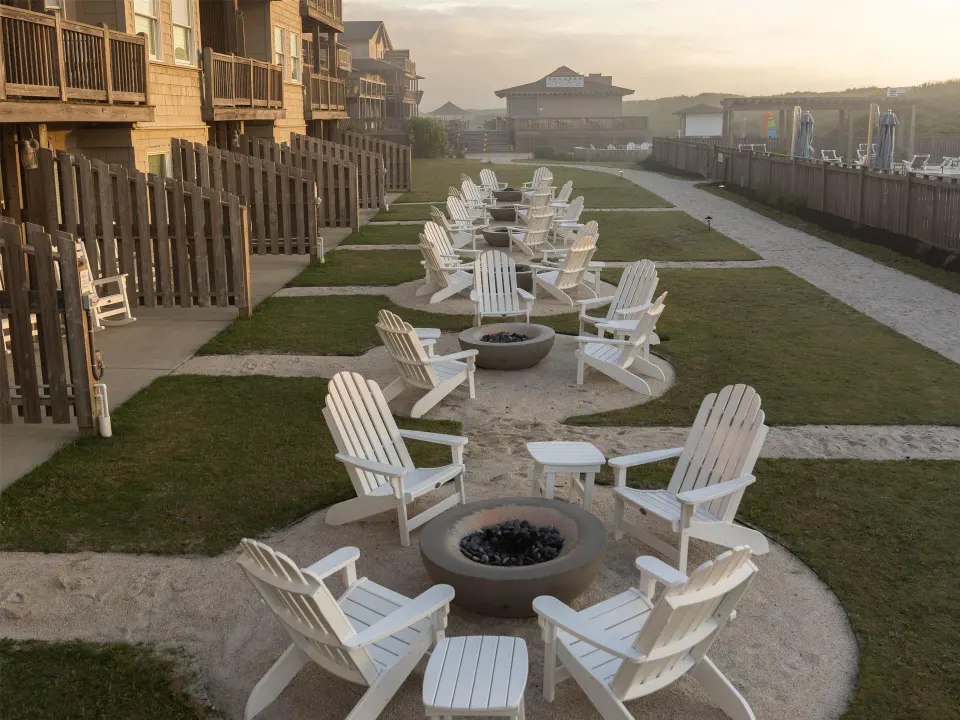
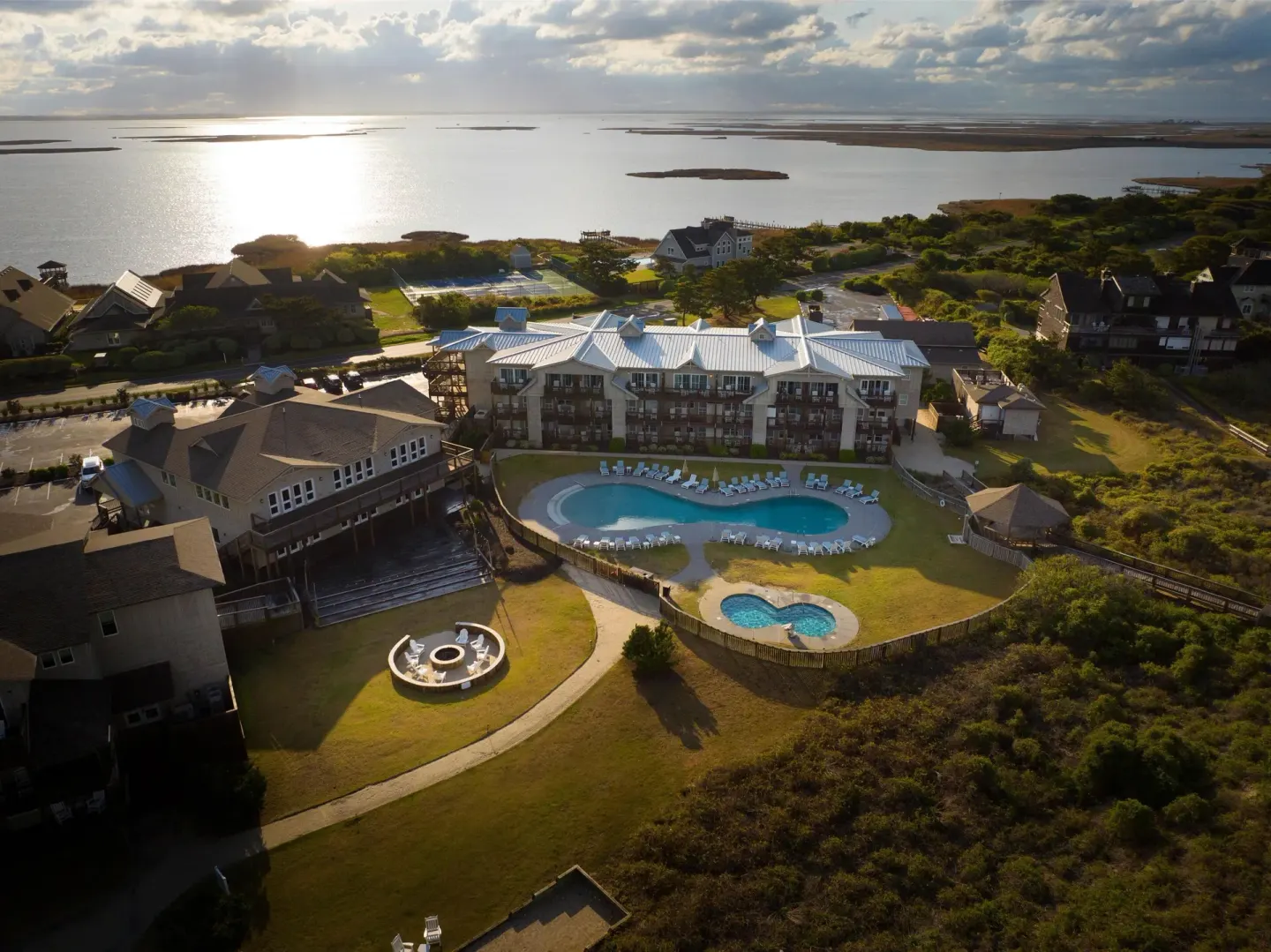
The Sanderling sits between the Atlantic Ocean and Currituck Sound, making it a convenient base for shelling, birdwatching and guided horseback tours along nearby beaches and maritime forest. Guests can use on-site rentals (paddleboards, kayaks, bikes), the resort’s private beach access, and nearby nature sites like Pine Island Audubon Sanctuary and Corolla for wildlife excursions.
In this guide
When to go for shelling, birding and wildlife viewing
Spring and fall are the two best seasons to combine milder weather with active bird migration and fewer crowds; fall also brings stronger winds that make surf and sound activity interesting. Summer offers warm ocean swims but busier beaches, while winter is quiet and can produce good shelling after storms.
For shelling, plan visits around low tide and just after storms when new shells wash ashore. For birding, arrive around dawn and the hour before sunset when shorebirds and marsh species are most active.
- Best months overall: April–May and September–October
- Shelling tip: check low-tide charts for Duck before heading to the beach
- Birding tip: bring a scope or telephoto lens for distant sound and marsh birds
| Season | What to expect |
|---|---|
| Spring | Migrating songbirds and shorebirds; warming weather |
| Summer | Warm ocean water, busiest beaches, common shorebirds |
| Fall | Peak migration for many species; thinner crowds |
Shelling around Duck and The Sanderling
The Sanderling provides private beach access and beach chairs/umbrellas as part of the resort amenities, so it’s easy to step onto the sand for shelling sessions without driving. Duck’s beaches are known to be relatively uncrowded compared with central Outer Banks towns, which helps when hunting for shells.
Best shelling often happens after low tide or following a storm when fresh material is deposited. Bring a small bucket, mesh bag, and a hand lens if you like close inspection of small specimens.
- Use the resort’s towels and chairs to set a base near your preferred shelling spot
- Check local tide times before you go — low tide reveals the widest beach and wrack lines
- Respect local rules: take only uninhabited shells and avoid disturbing living creatures
| What to bring | Why it helps |
|---|---|
| Mesh bag or bucket | Allows sand to drain and keeps finds visible |
| Small brush or hand lens | Clean and examine small or fragile shells |
| Sunscreen and hat | Long beach sessions need sun protection |
Where to birdwatch: marsh, sound and dune spots
The Sanderling’s setting between Currituck Sound and the Atlantic gives easy access to soundside marshes and oceanfront habitats that attract different bird assemblages. Pine Island Audubon Sanctuary is a short drive and is known locally for marsh and migratory bird viewing.
For soundside viewing, head toward Tar Cove Marsh or the resort’s soundside areas near the Observation Deck; for ocean-side shorebirds, walk the private beach at low tide or visit nearby Corolla and its dunes.
- Pine Island Audubon Sanctuary: good for marsh species and passerines
- Tar Cove Marsh: close drive for soundside wading birds
- Duck Town Park Boardwalk: a short trip for mixed waterfowl and shorebirds
| Spot | Typical birds |
|---|---|
| Soundside marshes (near resort) | Herons, egrets, rails and wading birds |
| Ocean beach | Plovers, sandpipers, terns at low tide |
| Pine Island Audubon Sanctuary | Marsh sparrows, coastal songbirds and passerines |
Guided horseback tours to see wild horses and coastal forest
Guided horseback tours that travel through maritime forest and onto beach areas near Corolla allow sightings of the Colonial Spanish Mustangs that live on the northern Outer Banks. These tours are offered by local outfitters; guests at The Sanderling can arrange excursions through concierge services or book independently.
Tours vary in length and experience level. If you specifically want wild-horse viewing, tell the outfitter when booking — guides know the current areas where horses are most frequently seen.
- Ask The Sanderling concierge for recommended local outfitters and start times
- Wear closed-toe shoes and bring a light jacket; weather on the beach can change quickly
- Wild-horse sightings are never guaranteed — treat horses respectfully and follow your guide’s instructions
| Before you go | Checklist |
|---|---|
| Medical/experience | Confirm any riding restrictions with the outfitter |
| Clothing | Long pants, closed-toe shoes, sunscreen |
| Booking | Reserve in advance during summer; ask The Sanderling concierge |
Kayaks, paddleboards and marsh excursions
The Sanderling offers paddleboard and kayak rentals for a surcharge; these are good ways to explore Currituck Sound and nearby marsh channels at a slow pace for wildlife observation. Soundside waters often hold different species than the ocean beaches — look for wading birds, ospreys and anglers.
If you prefer guided interpretive trips, ask the resort’s activity desk or local outfitters about guided sound paddles that focus on marsh ecology and birdlife.
- Morning paddles often provide the calmest water for wildlife viewing
- Bring a dry bag, water, and a binoculars case; harness or leash for boards if kite or wind picks up
- Follow safe-paddling practices: wear a life vest and check weather/wind before launching
| Option | When to choose it |
|---|---|
| Self-rental kayak/paddleboard | If you’re comfortable navigating and want a flexible schedule |
| Guided tour | If you want local naturalist insight and targeted wildlife viewing |
| Sound cruise or eco-tour | For a relaxed, boat-based view of marsh and sound birds |
Practical tips from the resort: rooms, logistics and safety
The Sanderling’s resort fee includes private beach access, beach chairs, umbrellas and towels, which simplifies routine beach and shelling outings. The resort also provides complimentary self-parking and free Wi‑Fi for planning tide checks, bird lists and routes.
The resort requires a 21+ minimum age to check in. If you plan early-morning or late-evening nature sessions, confirm safe parking or return transport plans; rideshare coverage in the Outer Banks can be limited, so a rental car is recommended.
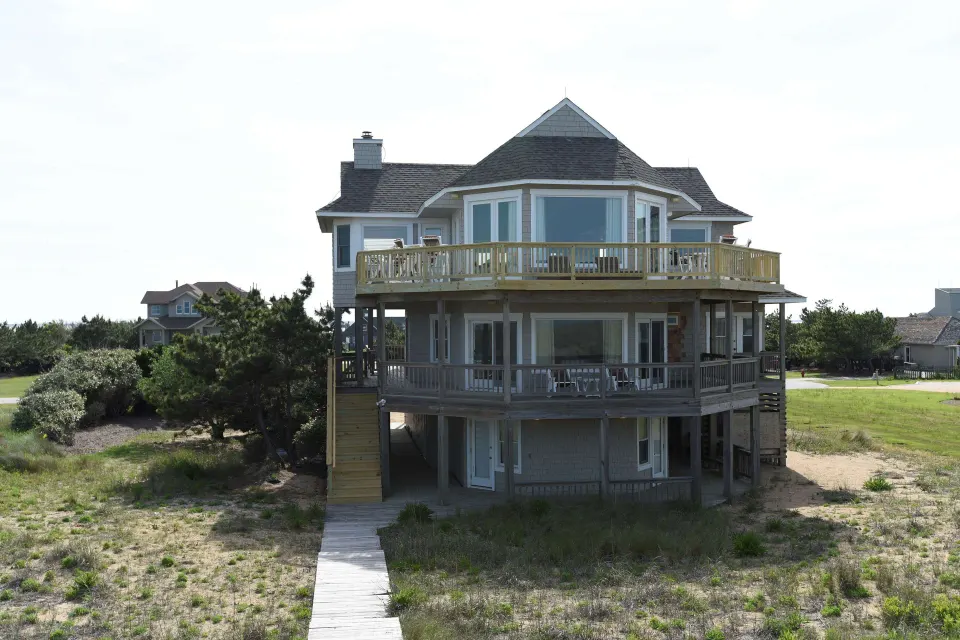
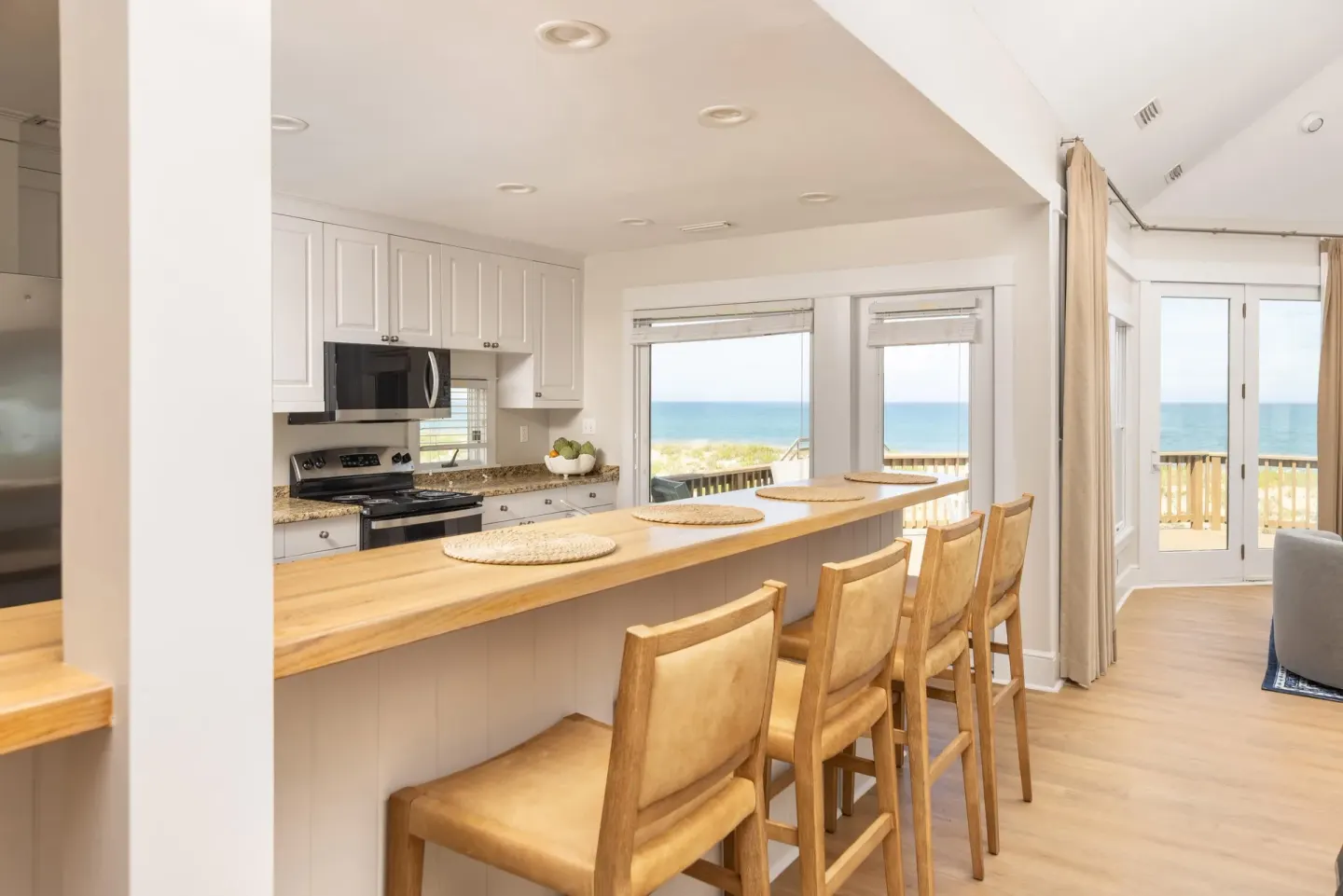
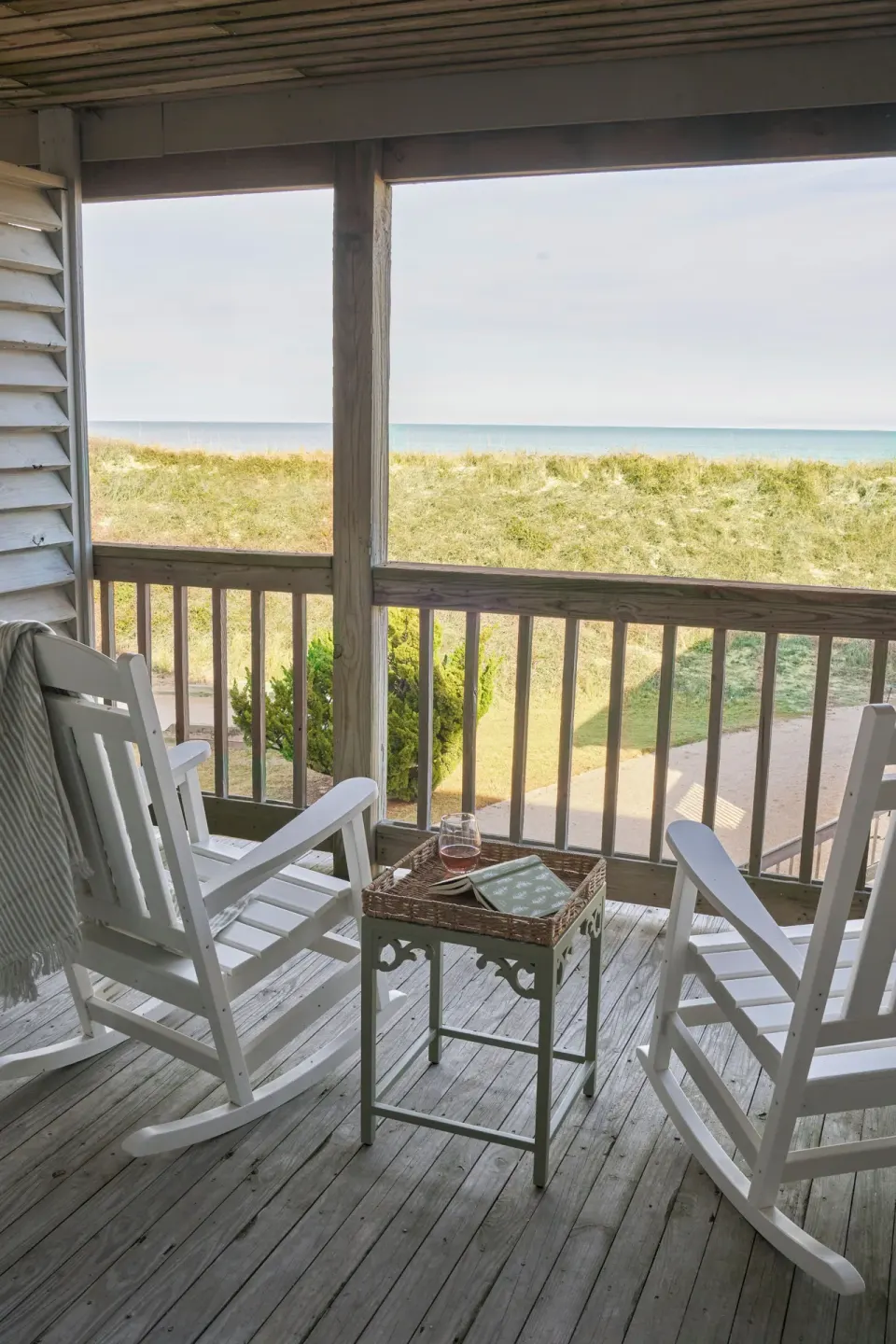
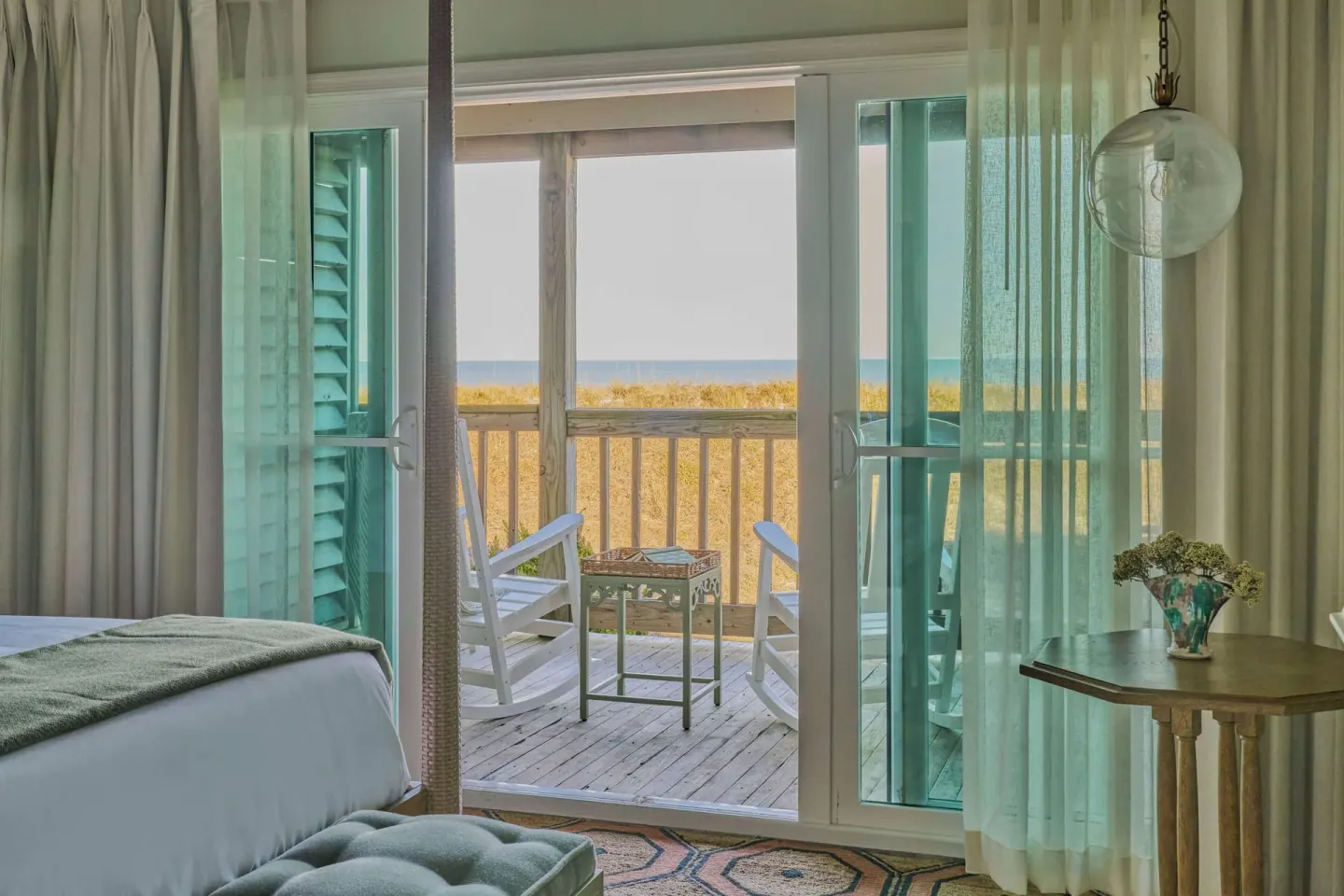
- Ask for room types with ocean or dune balconies (for example Room, 1 King Bed (Ocean) or Studio, with Sofa bed (Ocean)) if you want easy morning/evening viewing from your room
- Bring binoculars, a field guide or apps for bird ID, and a small flashlight for dusk returns
- Check weather and local tide charts before outings; hurricane season runs June 1–Nov 30
| Resort service | How it helps wildlife outings |
|---|---|
| Concierge/activity desk | Books guided tours and recommends local outfitters |
| Beach access included | Quick access to shore for shelling and shorebird watches |
| On-site rentals | Paddleboards, kayaks and bikes available for a surcharge |